

Optometrist jobs counted in 2024
Optometry and ophthalmology
Finance the complete eye-care technology investment.
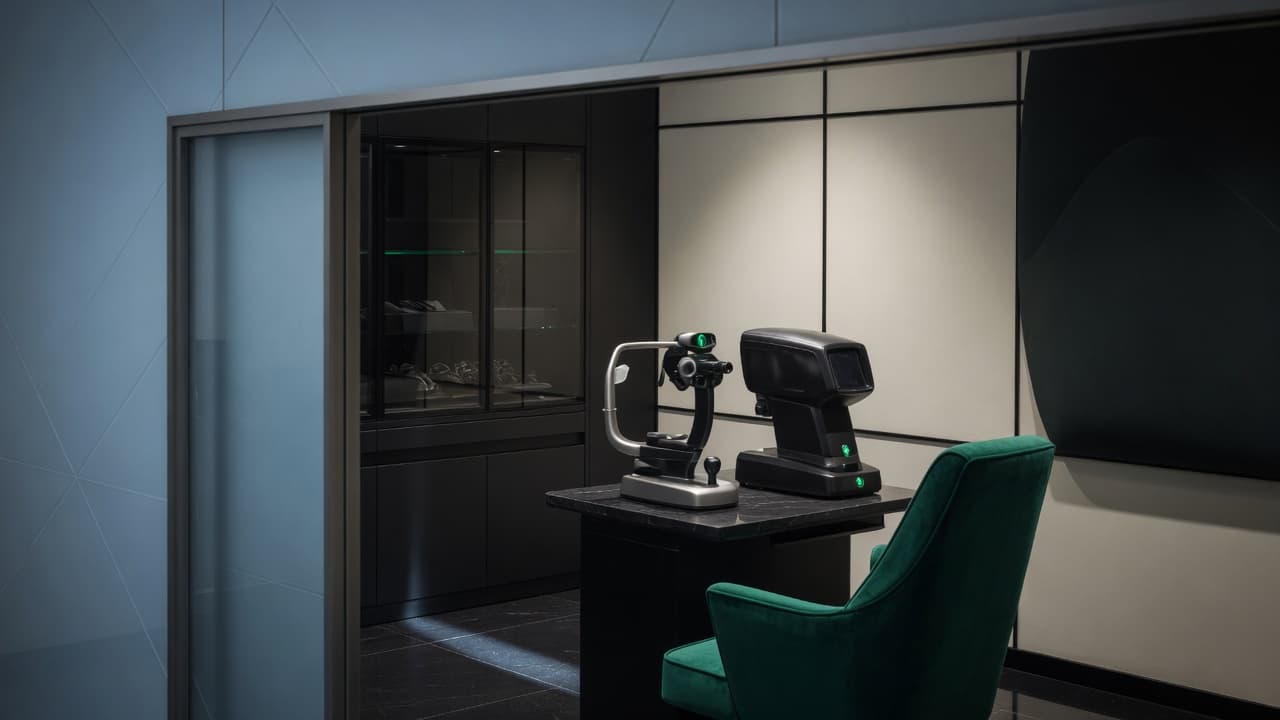
Eye-care equipment often combines imaging, diagnostics, software, and service. We help vendors and practices coordinate financing for the complete purchase.
01
Market pulse
An aging population and expanding care needs support continued investment.
Research current through August 22, 2026
Projected optometrist job growth to 2034
Americans estimated to be living with glaucoma
U.S. residents age 65 and older in 2024
The U.S. Bureau of Labor Statistics counted 47,800 optometrist jobs in 2024 and projects 8% employment growth from 2024 to 2034, compared with 3% for all occupations. BLS expects about 2,400 openings per year and points to aging, refractive error, digital eye strain, and diabetes-related eye disease as demand factors.
Support roles are also growing. BLS projects 20% employment growth for ophthalmic medical technicians from 2024 to 2034, among the fastest-growing healthcare technical occupations that do not typically require a four-year degree.
The CDC estimates that 4.22 million Americans were living with glaucoma in 2022, including 1.5 million with vision-affecting glaucoma. The U.S. population age 65 and older reached 61.2 million in 2024, up 3.1% in one year.

Projected employment growth, 2024–2034
20%Ophthalmic medical technicians
8%Optometrists
3%All occupations
Glaucoma in the United States, 2022
4.22MLiving with glaucoma
1.5MVision-affecting glaucoma
What the data means for equipment decisions
The category matters. The specific operating decision matters more.
Eye-care technology often works as a connected stack. A practice may combine imaging, diagnostics, treatment, surgical planning, refraction, optical workflows, data storage, software, and integration. The value of one component may depend on compatibility with the rest.
The buyer setting also changes the decision. An independent optometry practice, ophthalmology group, specialty clinic, ambulatory surgery center, retail optical location, and multi-site organization may have different ownership, workflow, credentialing, staffing, IT, and implementation requirements.
A responsible financing program captures that context before sensitive information enters the process. It helps the buyer and seller evaluate the same complete package without treating clinical need, utilization, or practice production as a guaranteed finance outcome.
03
Complete scope
The complete equipment investment
Include installation, software, training, and service in the purchase discussion so costs are clear from the start.
- 01
OCT, fundus, retinal, corneal, anterior-segment, and other ophthalmic imaging systems
- 02
Perimetry, tonometry, topography, biometry, wavefront, and diagnostic platforms
- 03
Autorefractors, phoropters, slit lamps, lensmeters, and examination systems
- 04
Treatment lasers, surgical microscopes, phaco, dry-eye, and procedure technology
- 05
Chairs, stands, lanes, optical equipment, laboratory, and practice-support systems
- 06
Image management, EHR, diagnostic software, workstations, interfaces, and data migration
- 07
Delivery, room preparation, power, network, installation, calibration, and validation
- 08
Initial and ongoing training, warranty, service, accessories, and software terms
The seller should identify included items, recurring subscriptions, third-party work, and costs outside the request. Eligibility remains subject to the applicable financing review.
Where financing fits
Consider the full cost of bringing new technology into the practice.
Financing may help a buyer compare an upfront technology purchase with an approved obligation paid over time. It does not prove that a system will increase exams, create referrals, improve reimbursement, raise production, or produce a specific return.
The equipment context should be clear:
01

Replacement
Updating an existing lane, system, or unsupported platform.
02

Capacity
Adding technology to an operating practice or location.
03

New capability
Introducing a diagnostic, treatment, surgical, or optical service.
04

New location
Equipping a site with broader startup and implementation dependencies.
05

Standardization
Rolling out a common platform across a group or network.
05
Vendor discovery
What the vendor sales team should clarify
Better questions create a cleaner handoff without turning a representative into a credit expert.
- 01
Is the buyer an optometry practice, ophthalmology group, specialty clinic, surgery center, optical business, or multi-site organization?
- 02
Is the purchase replacement, added capacity, a new capability, a new site, or standardization?
- 03
Which systems, accessories, software, interfaces, warranties, and service items are included?
- 04
What room, power, network, calibration, installation, and data-migration requirements apply?
- 05
Who will operate the equipment, and what training, credentials, or workflow changes are required?
- 06
Which parties control purchase approval, site readiness, IT, installation, and acceptance?
- 07
What is the realistic delivery, training, validation, and go-live sequence?
- 08
Which patient-volume, utilization, reimbursement, or production figures are assumptions rather than guaranteed results?
A responsible LeasePoint workflow
Connect the equipment quote with the financing application.
See how sellers, buyers, and LeasePoint work together from introduction through final requirements.
01
Define the practice and technology package
Capture the buyer entity, practice setting, purchase purpose, complete quote, site, timing, and implementation dependencies.
02

Move the buyer securely
LeasePoint provides the appropriate application experience and owns credit, structure, documentation, and finance questions.
03
Coordinate permitted milestones
Keep the vendor informed about relevant actions and status while clinical decisions, restricted applicant data, equipment obligations, and final finance decisions remain with authorized parties.
07
Frequently asked questions
Questions that deserve a direct answer.
Focused guidance for sellers and buyers evaluating a complete equipment purchase.
What eye-care equipment may be considered?+
Programs may be designed around diagnostic, imaging, treatment, surgical, optical, software, and supporting practice technology. Eligibility depends on the equipment, seller, buyer, structure, documentation, and complete review.
Can software, interfaces, or installation be included?+
They should appear on the quote when required for the complete system. Whether a cost can be included is determined during review. Recurring subscriptions and third-party services may need separate treatment.
How should a new location be handled?+
Identify it at the start. Lease, ownership, buildout, staffing, credentialing, IT, installation, opening timing, and operating evidence may affect the information and review required.
Does financing validate practice production or reimbursement?+
No. Financing addresses how an eligible purchase may be paid for. Exam volume, clinical value, reimbursement, collections, production, and financial performance remain separate determinations.
What happens when equipment or software scope changes?+
Return the revised quote through the approved workflow. A change in equipment, amount, site, ownership, software, services, seller, or timing may require additional review and updated documents.
Source register
Evidence behind the market context.
Research current through August 22, 2026. Statistics provide market context, not a forecast for an individual company, practice, project, or financing decision.