

U.S. dental expenditures in 2024
Dental
Finance the complete dental technology investment.
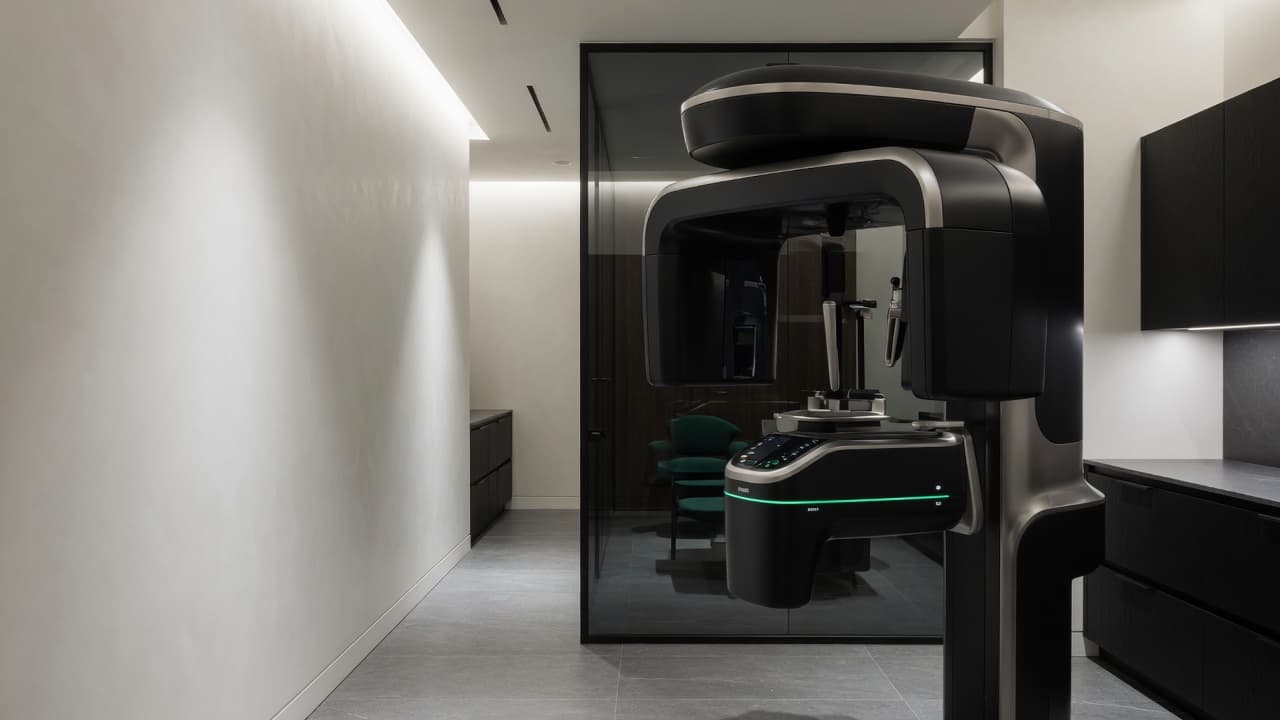
From imaging and CAD/CAM to treatment-room equipment, a dental purchase often includes software, installation, and training. We help vendors and practices coordinate financing around the complete package.
01
Market pulse
Dental care is a large market operating under real cost pressure.
Research current through August 22, 2026
Inflation-adjusted spending growth in 2024
Estimated annual economic impact of dental offices
Dentists working in dentistry in 2024
The American Dental Association's Health Policy Institute reports $189 billion in U.S. dental expenditures in 2024, representing 3.6% of total national health expenditures. After inflation adjustment, dental spending increased by $7 billion, or 4%, from 2023 to 2024.
The broader economic footprint is substantial. ADA analysis estimates that dental offices generate $478 billion in annual economic impact and directly or indirectly support 2.5 million U.S. jobs. The ADA counted 202,485 dentists working in dentistry in 2024.
Growth does not erase margin pressure. The ADA's Q2 2026 dental-economy report found that dental-equipment and supply prices plus staff wages rose 23% over five years, while average reimbursement across payers rose 19%. Dental-sector employment grew 1.5% over the most recent 12 months, an early sign of movement after a flatter period.

Five-year change: costs vs. reimbursement
+23%Equipment, supplies + wages
+19%Average reimbursement
Dental economy signals
3.6%Dental share of national health expenditures
+$7BSpending growth, 2023 to 2024
+4%Inflation-adjusted increase
+1.5%Sector employment, trailing 12 months
What the data means for equipment decisions
The category matters. The specific operating decision matters more.
Dental practices invest for different reasons: replacing an aging system, standardizing multiple locations, adding a specialty workflow, bringing production in-house, improving diagnosis, opening a de novo practice, or expanding capacity. A strong finance program begins by naming the actual decision.
Technology can touch multiple rooms and systems at once. Imaging may depend on shielding, network infrastructure, sensors, software, data migration, and training. CAD/CAM may combine scanning, design, milling, furnaces, consumables, and laboratory workflow. A treatment-room package may include chairs, delivery units, lights, cabinetry, sterilization, compressors, vacuum, and installation.
The seller should make that scope visible before the buyer chooses a financing path. Otherwise, change orders, missing infrastructure, and software dependencies can appear after the financing request has already been framed around an incomplete number.
03
Complete scope
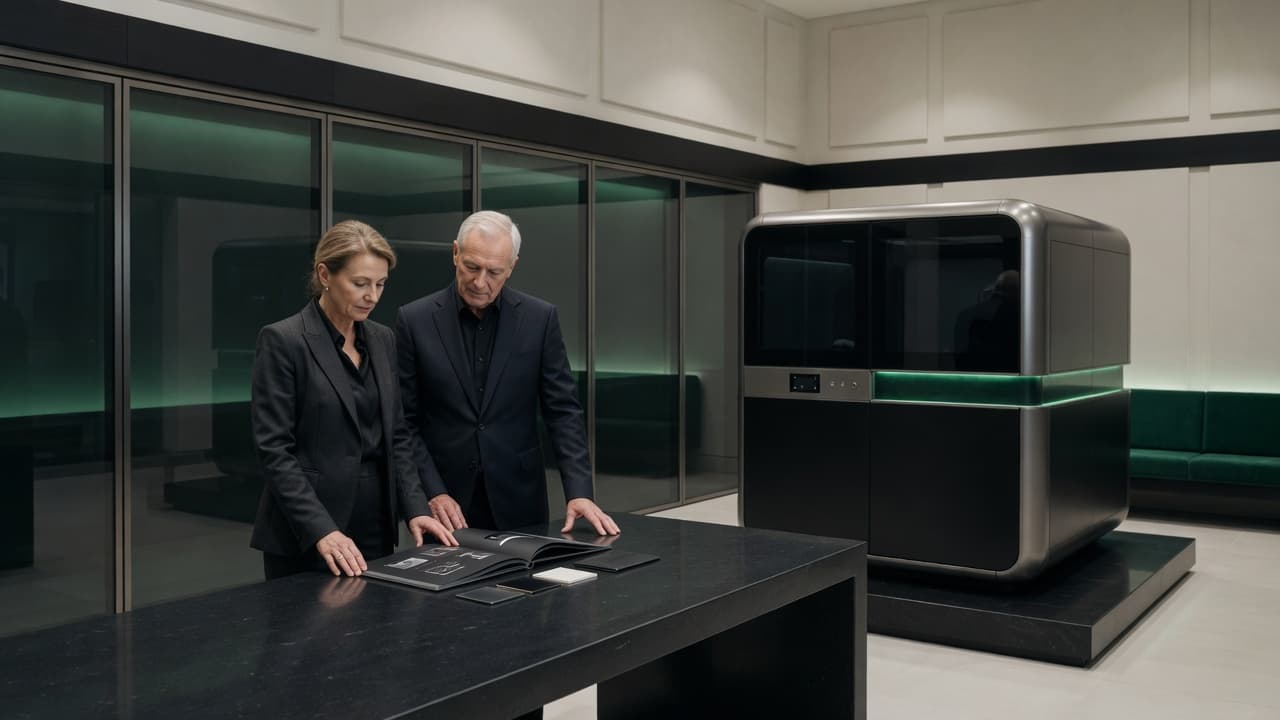
The complete equipment investment
Include installation, software, training, and service in the purchase discussion so costs are clear from the start.
- 01
2D and 3D imaging, CBCT, panoramic, cephalometric, intraoral sensors, and scanners
- 02
CAD/CAM scanning, design, milling, printing, sintering, and finishing systems
- 03
Treatment chairs, delivery units, lights, operatory packages, and specialty equipment
- 04
Sterilization, instrument processing, compressors, vacuum, and utility systems
- 05
Surgical, implant, endodontic, orthodontic, and laboratory technology
- 06
Practice software, imaging software, servers, workstations, integration, and data migration
- 07
Delivery, rigging, construction dependencies, installation, validation, and training
- 08
Warranty, service agreements, accessories, initial materials, and costs outside the quote
Not every item is automatically eligible for financing. The applicable review determines the approved equipment and cost scope.
Where financing fits
Compare the total purchase cost and available payment options.
Financing can help a buyer compare paying the full cost today with paying an approved obligation over time. It may support cash-planning flexibility, but it does not prove that a technology purchase will increase production, attract patients, lower laboratory costs, or deliver a specific return.
For an established practice, the transaction may be evaluated against current operations, existing locations, and a known workflow. A new practice or new location may depend on leasehold work, credentialing, staffing, construction, software setup, and an opening date. A DSO or group may require centralized approval, site-level implementation, standardized configuration, and multiple decision makers.
01

What is being purchased
Define the complete hardware, software, service, and implementation scope.
02

Who is buying
Confirm the legal entity, operating setting, and authorized decision makers.
03

Where it will operate
Identify the location, facility dependencies, and readiness owners.
04

Why now
Clarify whether the purchase is replacement, capacity, a new capability, or a new site.
05
Vendor discovery
What the vendor sales team should clarify
Better questions create a cleaner handoff without turning a representative into a credit expert.
- 01
Is the buyer a general practice, specialty practice, group, DSO, lab, or startup?
- 02
Is the purchase replacement, added capacity, a new capability, or a new location?
- 03
Which hardware, software, accessories, warranties, and service items are included?
- 04
What construction, power, network, plumbing, air, vacuum, or shielding work is required?
- 05
Who owns installation, integration, data migration, calibration, and training?
- 06
Which team members must be hired or trained before go-live?
- 07
What is the realistic delivery, installation, validation, and acceptance sequence?
- 08
Which production, patient-volume, or cost-saving figures are buyer assumptions rather than guaranteed outcomes?
A responsible LeasePoint workflow
Connect your dental equipment sale with financing support.
See how sellers, buyers, and LeasePoint work together from introduction through final requirements.
01
Define the practice and system
Capture the buyer entity, practice type, equipment purpose, complete quote, locations, target timing, and implementation dependencies.
02

Make a secure finance handoff
Move the buyer into the appropriate LeasePoint experience. LeasePoint handles application, credit, structure, documentation, and transaction questions.
03
Coordinate the path to a complete transaction
Share permitted milestones and action requests with the vendor while keeping sensitive information, decision reasons, and restricted documents inside authorized roles.
07
Frequently asked questions
Questions that deserve a direct answer.
Focused guidance for sellers and buyers evaluating a complete equipment purchase.
What dental equipment may be considered?+
Programs may support imaging, CAD/CAM, treatment, sterilization, laboratory, specialty, software, and related practice equipment. Eligibility depends on the equipment, seller, buyer, structure, documentation, and complete review.
Can one request include hardware and software?+
The quote should show both when the complete system requires them. Whether hardware, software, implementation, training, or service can be included is decided during review. Recurring subscriptions and third-party agreements should be identified separately.
How should a de novo practice be handled?+
The seller should identify it as a new-practice or new-location project at the start. Construction, lease, ownership, staffing, credentialing, opening timing, equipment dependencies, and available operating evidence may all affect the information and review required.
Does financing validate the practice's production forecast?+
No. Financing addresses how an eligible purchase may be paid for. Patient volume, production, reimbursement, clinical value, workflow savings, and profitability remain separate practice assumptions and operating outcomes.
What happens when installation or construction moves?+
The responsible parties should update the transaction workflow. A timing, location, configuration, or scope change can affect documents, delivery, acceptance, and funding conditions and may require additional review.
Source register
Evidence behind the market context.
Research current through August 22, 2026. Statistics provide market context, not a forecast for an individual company, practice, project, or financing decision.